



About 
 "Eroding and Evolving–Tribal" by Hagit Cohen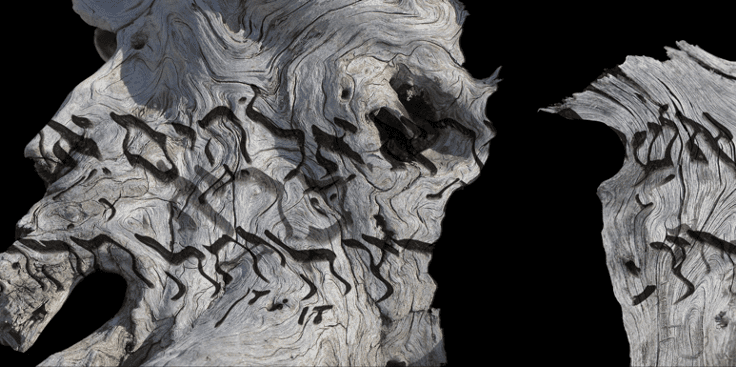

LABA BAY AREA came about as a result of the LABA-shaped hole in her heart Elissa Strauss had after moving from New York to the Bay Area. Elissa, who from 2010-2017 co-directed LABA NY with Ronit Muszkabllit, wanted to bring LABA to the Bay Area for herself–she missed the community, conversation, text and art. Though she also saw that there was a need in the Bay Area for a home for culture-makers to come together and explore Jewish texts and ideas, in that open-minded, freewheeling LABA-style setting. LABA provides a space and context to do this wrestling, and find new pathways of meaning and connection to the Jewish tradition and other Jewish and Jew-ish like-minded seekers.
LABA BAY AREA began as LABA East Bay, a program of the JCC East Bay in Berkeley from 2019-2022, made possible with generous funding from Anne Germanacos’s Firehouse Fund: Cultivating Sparks. After three years of successful incubation, and the guidance of JCC EB program director Sarah Wolfman-Robichaud, LABA BAY AREA expanded into a Bay Area-wide program in 2023.
Today, the program’s home is the Firehouse, in San Francisco. The Firehouse is a real place located in San Francisco. It’s also a place for the imagination, where artists, activists and educators are invited to be in conversation with one another and the world. In person, online and through their creations and activities, residents embody varieties of creative community.
Contact LABA BAY AREA at [email protected]


Theme
"Homeland" by Lila Glenn Rimalovski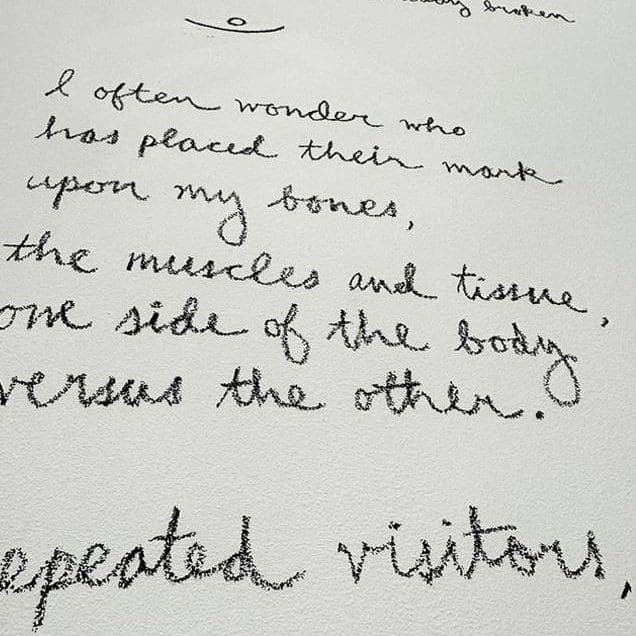

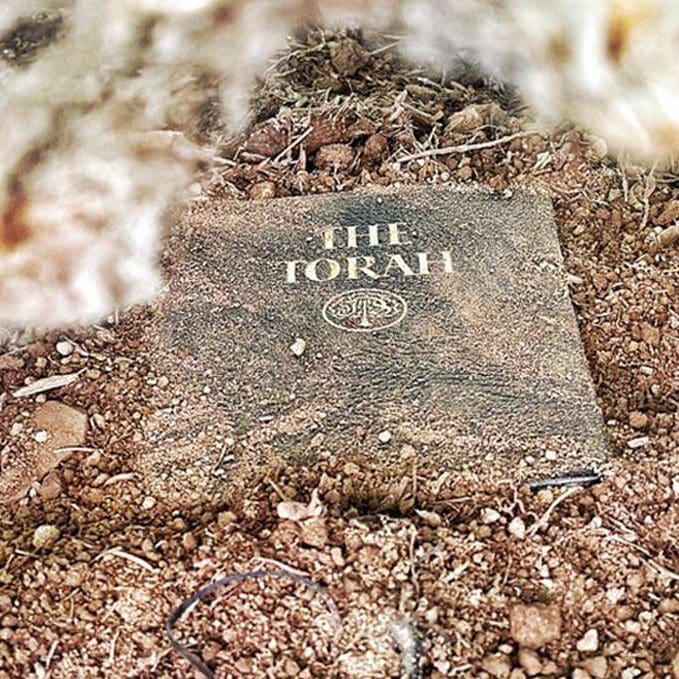

THE 2026 THEME FOR LABA IS NAME.
This year at LABA, we will be jumping headlong into the potency and mystery behind names, considering how language both makes and distorts reality.
We will explore the act of naming, the act of being named, and humanity’s strange relationship with language overall. These fellows will create new work inspired by this exploration, which will be presented during our LABAlive in the fall.
For thousands of years, Jews have been obsessed with names, interrogating the relationship between language, existence, and consciousness. Assigning language to a particular person, place, thing, or feeling has never been, and will never be, a neutral act. To NAME is to give power, and to NAME is to give limits. According to some Jewish mystics, the world was created through the naming of things. “By means of the twenty-two letters, by giving them a form and shape, by mixing them and combining them in different ways, God made the soul of all that which has been created and all that which will be,” says the Sefer Yetsirah.
In the Torah, one’s name is often synonymous with one’s destiny, and a change of name can represent a profound shift. In the Talmud, we are warned against calling people bad names, which is seen as equivalent to the sins of murder and idolatry and is subject to divine prosecution. We are also forbidden from saying God’s presumed actual name, while one of the things we are allowed to call God is, evocatively, “The Name.” Meanwhile, Maimonides believed there is, and never will be, an adequate name or language to describe God.
Join us in our exploration of NAME.
Fellows
"Advanced Camouflage Techniques for the Built Environment" by Danielle Freiman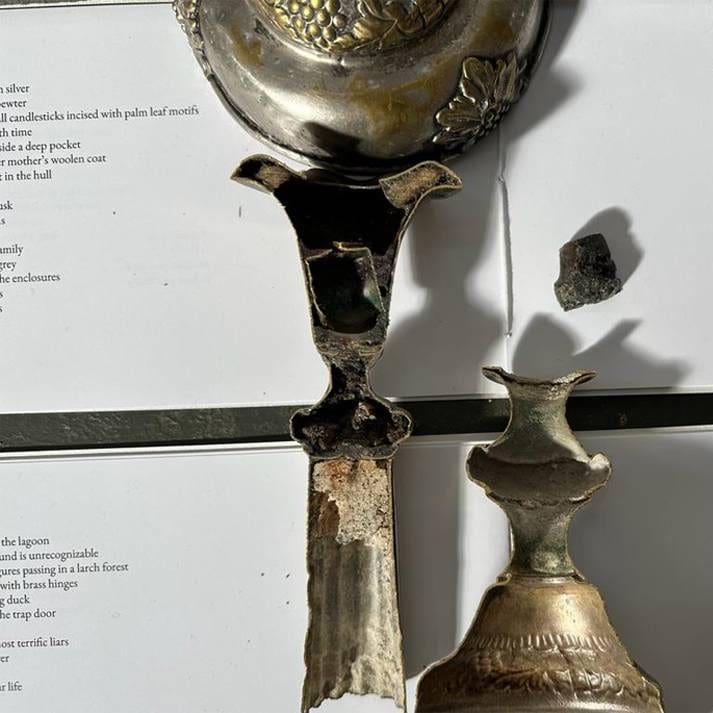
News
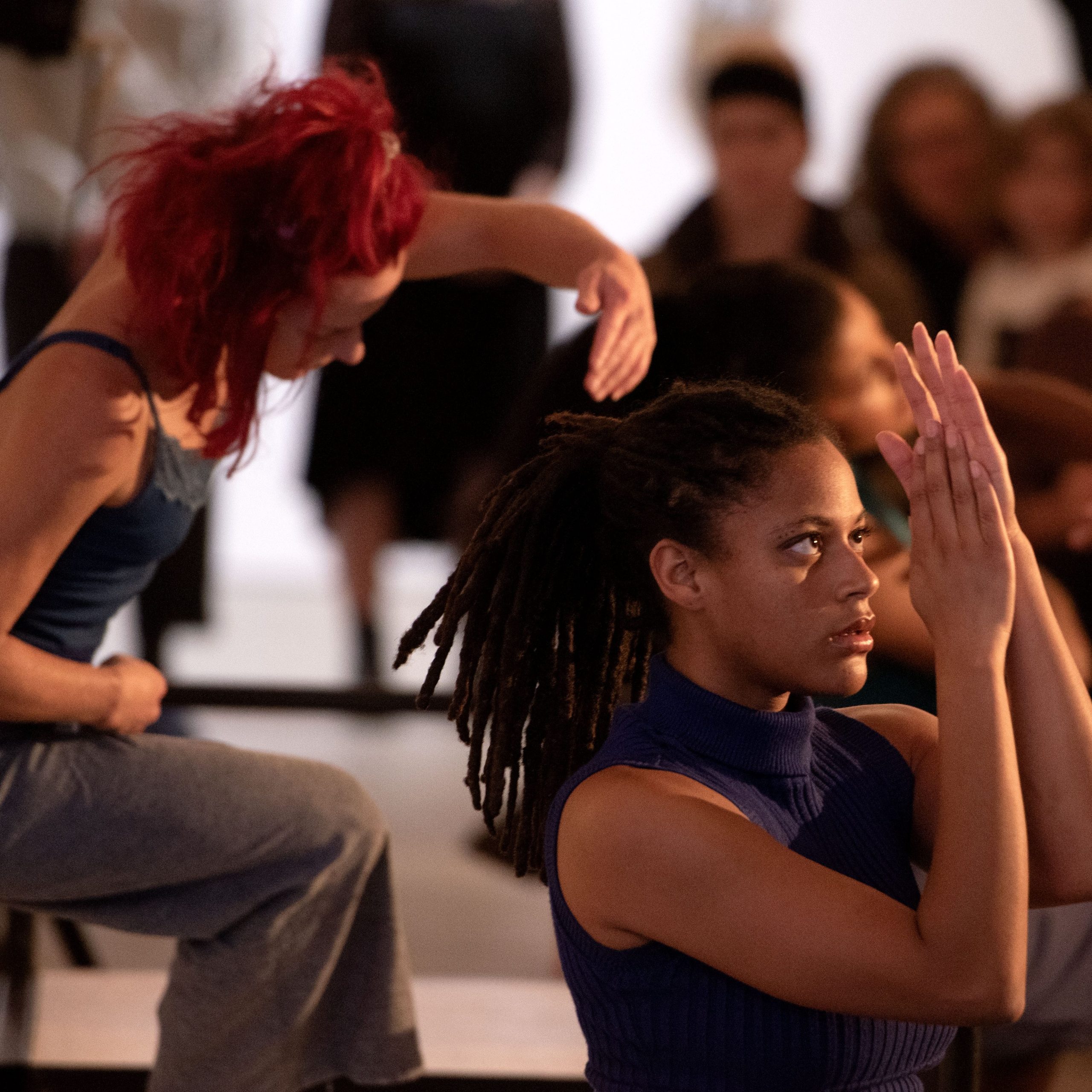
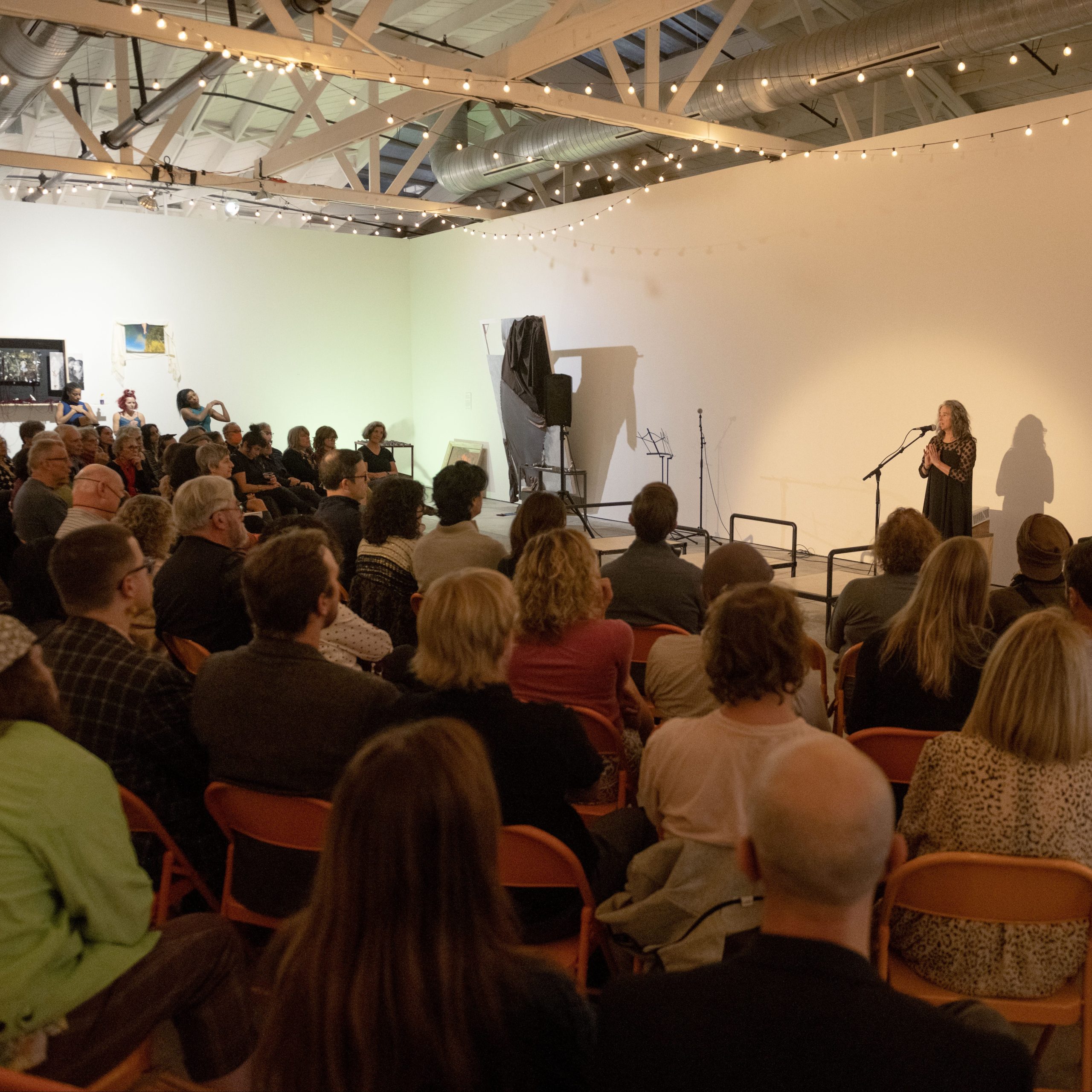
"Everything is at least three things: the one you see, the one you think you know and the one you remember" by Amy TrachtenbergCheck out our CHANGE LABALive:
Events


SAVE THE DATE!
The Jewish Arts & Bookfest at the Magnes Collection brings together authors and artists for panel discussions, workshops, readings, teen programs, and performances that showcase the Jewish experience through art, culture, and storytelling.
Sunday, May 3, 2026 | 11:00 am – 4:00 pm
LABA will co-sponsor the event, and LABA fellows will be presenting.
FELLOWS

MOLLY ALMEIDA
Molly Almeida explores spiritual concepts through a child-like perspective of wonder. Through dense, illustrative imagery, she invites the viewer into her perception of immanence. Molly is a visual artist with a focus on drawing and works on paper, with a BFA in printmaking from the Massachusetts College of Art and Design.

CAMILLE SHIRA ANGEL
Rabbi Camille Shira Angel serves as the first Rabbi-in-Residence at the University of San Francisco since 2017, where she creates vital intergenerational bridges by connecting LGBTQIA+ undergraduates with Bay Area elders 60+ to preserve history and build community across generations. She is archiving the lives and stories of LGBTQIA+ elders from Jewish and other spiritual traditions—pioneers who not only fought for civil rights but also created transformative queer Jewish spaces like Congregation Sha’ar Zahav, exemplifying the queering of religion that defines her scholarly work. She is currently writing her Field Notes From A Lesbian Rabbi:Queering Religion at a Catholic University.

ANNALISA CHASAN
Annalisa Chasan has been a close observer and maker since she could hold a crayon. She is a sculptor, mind/body movement educator and a lifelong learner. Some of her favorite activities are seeing art and being on the trails of Mt Tamalpais. She is a mom of two teenagers.

ALEX ASHER DANIEL
Alex Asher Daniel is a multidisciplinary artist and composer with a practice including sound installation, painting, film & video, 3D objects and new media. Daniel’s oeuvre of work stems from a lifelong interest in mysticism and spirituality, and his work has been showcased in exhibitions internationally, and resides in permanent collections including The Smithsonian National Portrait Gallery, The Hip Hop Museum, and the English National Trust. A progeny of the Hip-Hop generation, Daniel’s creative practice is also deeply informed by his passion for music and often includes sound collaborations with emerging and established artists and experiential audio installations.

EMILY COHEN IBANEZ
Emily Cohen Ibañez is a Colombian-American filmmaker and screenwriter. Her work pairs lyricism with social activism, centering women in front and behind the camera.

AMY KURZWEIL
Amy Kurzweil is a New Yorker cartoonist and the author of two award-winning graphic memoirs graphic memoirs that explore family, archives, memory, and more. Flying Couch (2016) weaves the story her grandmother’s flight from the Warsaw Ghetto with Amy’s own coming of age, and Artificial: A Love Story (2023) explores technology’s role in resurrecting the past. Amy’s graphic essays has been published in The Believer, The Verge, The LA Times, The New York Times Book Review, and many other places.

TAI LUM
Tai received a BFA in Dance at NYU Tisch School of the Arts. He grew up in San Francisco, studying at the San Francisco Ballet School, LINES Ballet Teen Company, and the ODC Dance Jam. He went to high school at Ruth Asawa School of the Arts.

KEVIN SMOKLER
Kevin Smokler is the author of 4 books about pop culture including most recently BREAK THE FRAME: CONVERSATIONS WITH WOMEN FILMMAKERS (Oxford, 2025) and the co-director of the award winning 2023 documentary VINYL NATION and the upcoming short documentary MIDDLE GROUNDS. Born and raised in Ann Arbor, Michigan, he’s lived for the last 25 years in his adopted home of San Francisco.

MAIA WEBEL
Maia is a writer and dancer based in the Bay Area with roots in the Midwest. Her work explores human oneness with nature, and how empathy is built through written and embodied storytelling. She has a Master’s degree in Journalism from Northwestern University and a Bachelor’s degree in Environmental Analysis from Pomona College.
www.maiawelbel.com

DAN WOLF
Dan Wolf (he/him) is a hip-hop artist who works with rap, theater, personal narrative, and history to give voice to the problematic world we live in. His projects have traveled all around the world from theaters and concert halls to museums, schools, and memorial sites where he engages history as a prompt to make vital music and theater that can only live in this moment. He is the co-founder of hip-hop music and theatre collective Felonious and is the Artistic Director of Sound in the Silence, a site-specific historical education performance project.